
Table of Contents
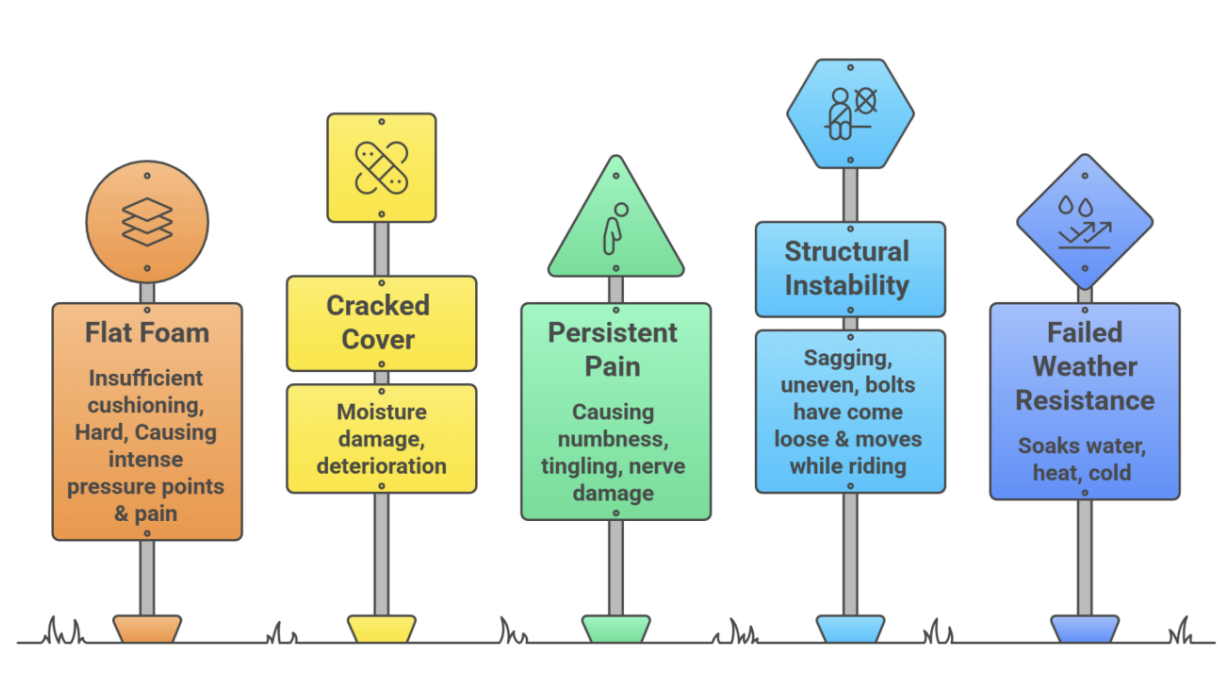
1. The Foam Has Gone Flat
2. The Cover Is Cracked, Torn, or Peeling
3. Persistent Pain or Numbness on Long Rides
4. Water Has Gotten Into the Seat
5. The Base or Mounting Hardware Is Damaged
6. Choosing the Right Replacement
7. Final Word
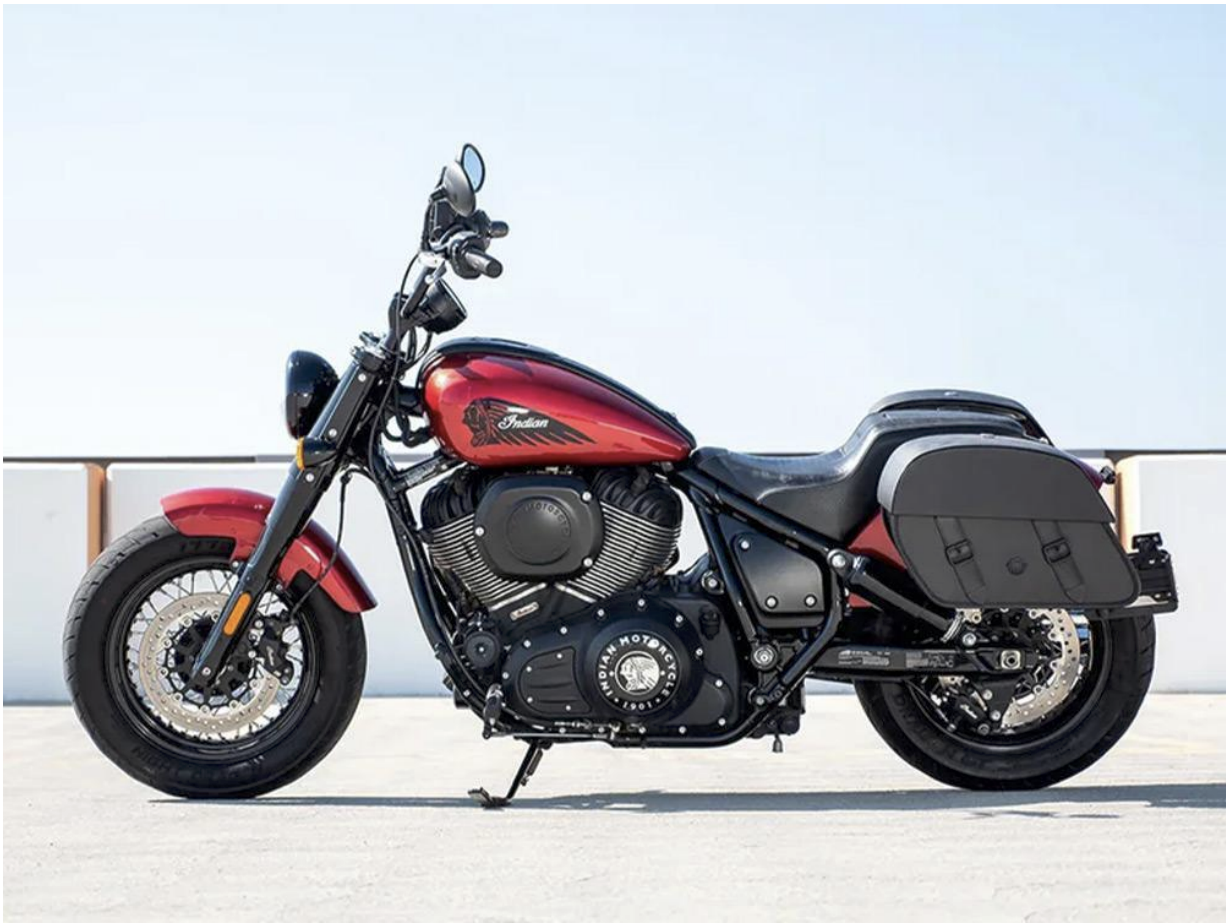
A worn-out seat is one of those things riders tend to overlook until a two-hour ride starts to feel like a punishment. The seat is the one part of a bike that bears the full weight of the rider every time the engine fires up. Yet, it rarely gets the attention it deserves until the damage becomes too hard to ignore. Whether it's a weekend cruiser or a daily commuter, the condition of a motorcycle seat directly impacts riding comfort, posture, and even safety.
Viking Bags, one of the best motorcycle aftermarket parts makers in the industry, offers a solid lineup of motorcycle seats built for durability and long-haul comfort. Still, before exploring upgrades, it helps to know when a replacement is truly necessary. Here are five clear signs that a motorcycle seat has run its course and needs to go. Continue reading to learn all five warning signs and what to look for when choosing a better seat for the ride ahead.
1. The Foam Has Gone Flat
Foam is the main layer between the rider and the seat pan. Over time, it compresses and loses its ability to spring back. Once that happens, the seat stops doing its job.
The signs are hard to miss:
● The seat feels rock-solid, almost like sitting directly on the frame. There is little to no give when pressure is applied.
● Riding discomfort sets in much earlier than it used to; a ride that once felt fine at the two-hour mark now becomes painful within 30 minutes.
● Visible sagging or a sunken center section can often be spotted even before sitting down.
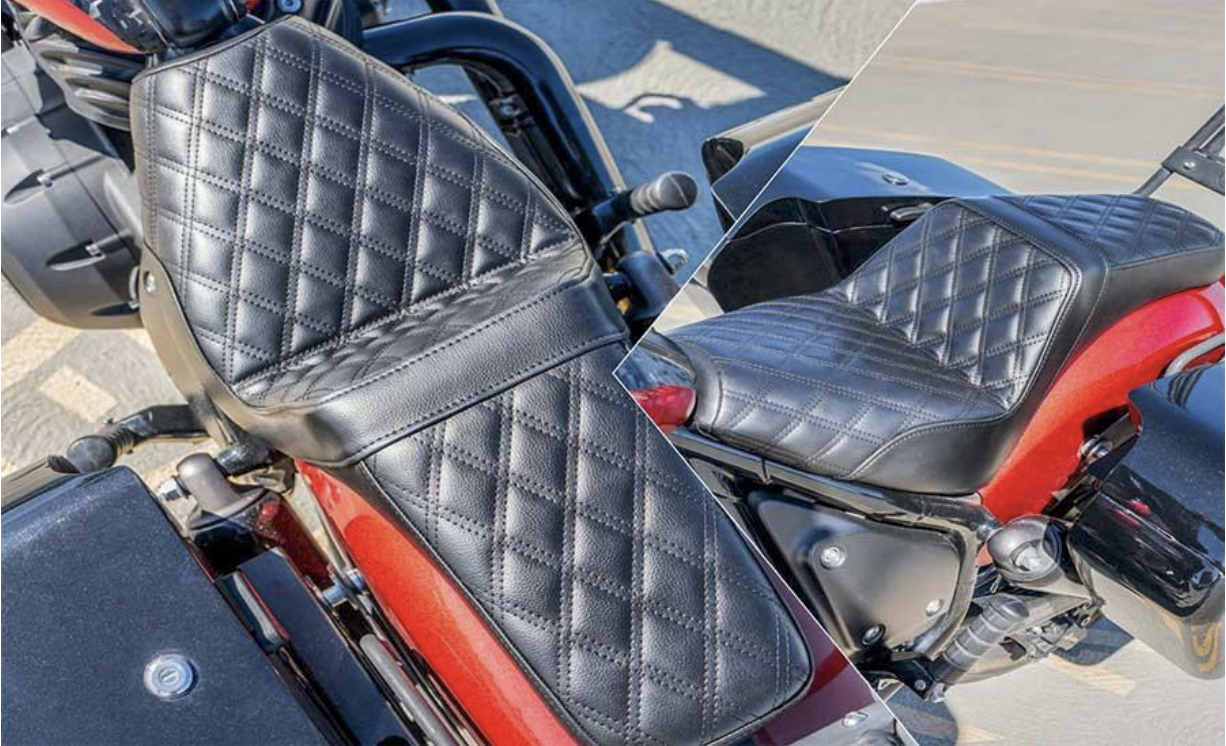
Standard foam breaks down faster in hot climates, where heat speeds up the breakdown of the material. Gel-infused foam holds up far better. The Iron Born Diamond Stitch 2-Up Seat from Viking, for instance, uses PU foam with gel built into it, a setup that holds its shape far longer and spreads pressure more evenly across the seat.
2. The Cover Is Cracked, Torn, or Peeling
The outer cover of a seat takes a beating every day. Sun, rain, road debris, and general wear all chip away at the surface. When the cover starts to fail, the damage moves fast.
Look out for:
● Surface cracks in the leather or vinyl, especially along seam lines and high-flex areas near the front of the seat.
● Peeling or bubbling material that lifts away from the foam beneath it. Once moisture gets under the cover, the foam starts to break down from the inside.
● Torn stitching that allows water and grit to work their way into the seat's core layers.
A cracked cover is not just an aesthetic issue. Exposed foam absorbs water, which leads to mold, odor, and faster foam degradation. Weather-resistant materials like PVC leather, used in several Viking Bags seat models, are built to handle these conditions without peeling or cracking under normal use.
3. Persistent Pain or Numbness on Long Rides

This is one of the most common reasons riders finally decide to make a change. If every long ride ends with back pain, hip soreness, or numbness in the legs, the seat is very likely the problem. A seat that no longer supports the rider properly puts strain on the lower back and shifts weight unevenly to the sit bones. Riders often assume this is just part of long-distance riding, but it does not have to be. Some things to consider:
● If pain starts earlier in a ride than it used to, the seat has likely lost its support and cushioning.
● Numbness in the legs or backside is often caused by poor blood flow from a seat that is too firm or too flat.
● Lower back fatigue points to a seat that no longer offers the right support geometry for the rider's position.
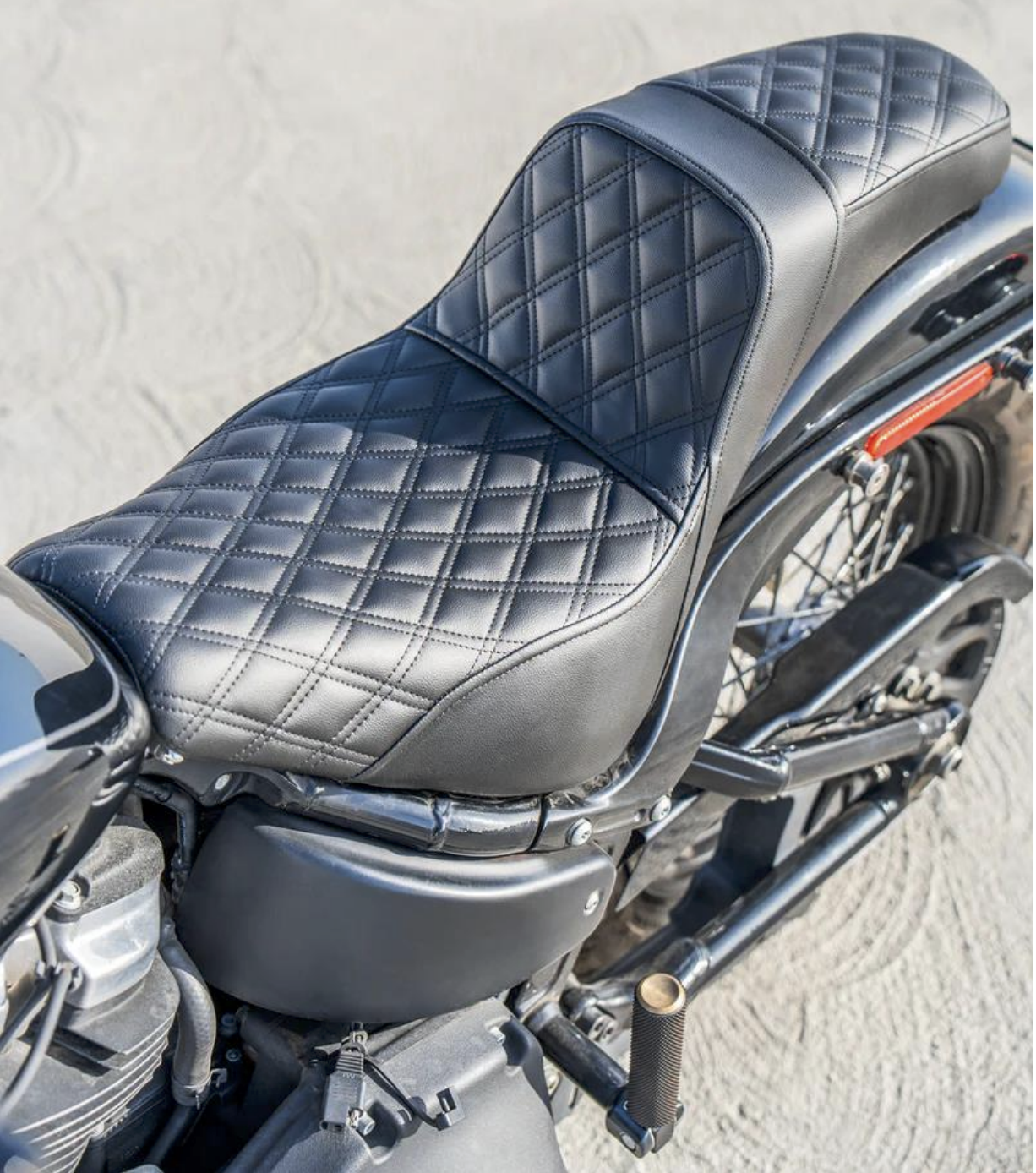
The Iron Born Diamond Stitch 2-Up Seat for the Harley Softail Street Bob FXBB/S is a solid example of how seat design can solve this issue. It includes a built-in lower back support section for the rider, along with gel pads for both the rider and the passenger, a feature that makes a real difference on longer stretches of road.
4. Water Has Gotten Into the Seat
Water damage is sneaky. From the outside, the seat might look fine, but inside, the foam could be soaked through and well on its way to breaking down completely. Here is how to tell if water damage has become a problem:
● The seat feels damp or heavier than usual after rain or washing the bike. A healthy seat dries quickly; a damaged one holds moisture.
● A musty smell that lingers even after the seat has dried out is a strong indicator of mold inside the foam core.
● Visible staining or discoloration on the cover, especially near seams, is often a sign that water has been getting in. Once water reaches the foam, the seat's structure weakens quickly. This is why seat material quality matters so much. Seats with weather-resistant covers and sealed seams hold up far better in wet conditions.
5. The Base or Mounting Hardware Is Damaged
This is the most critical sign of all, and the one that directly affects safety. The seat base is what keeps everything in place while the bike is in motion. If it is cracked, warped, or no longer mounts securely, it needs to be replaced right away. Watch for these warning signs:
● A seat that shifts or rocks slightly while riding is a clear sign that the base or mounting hardware is compromised.
● Visible cracks in the plastic or fiberglass base, especially near themounting points, should never be ignored.
● Hardware that no longer tightens properly or shows signs of rust and wear should be addressed before the next ride.
Many quality replacement seats come with new mounting hardware included, which removes one more variable from the equation.
6. Choosing the Right Replacement
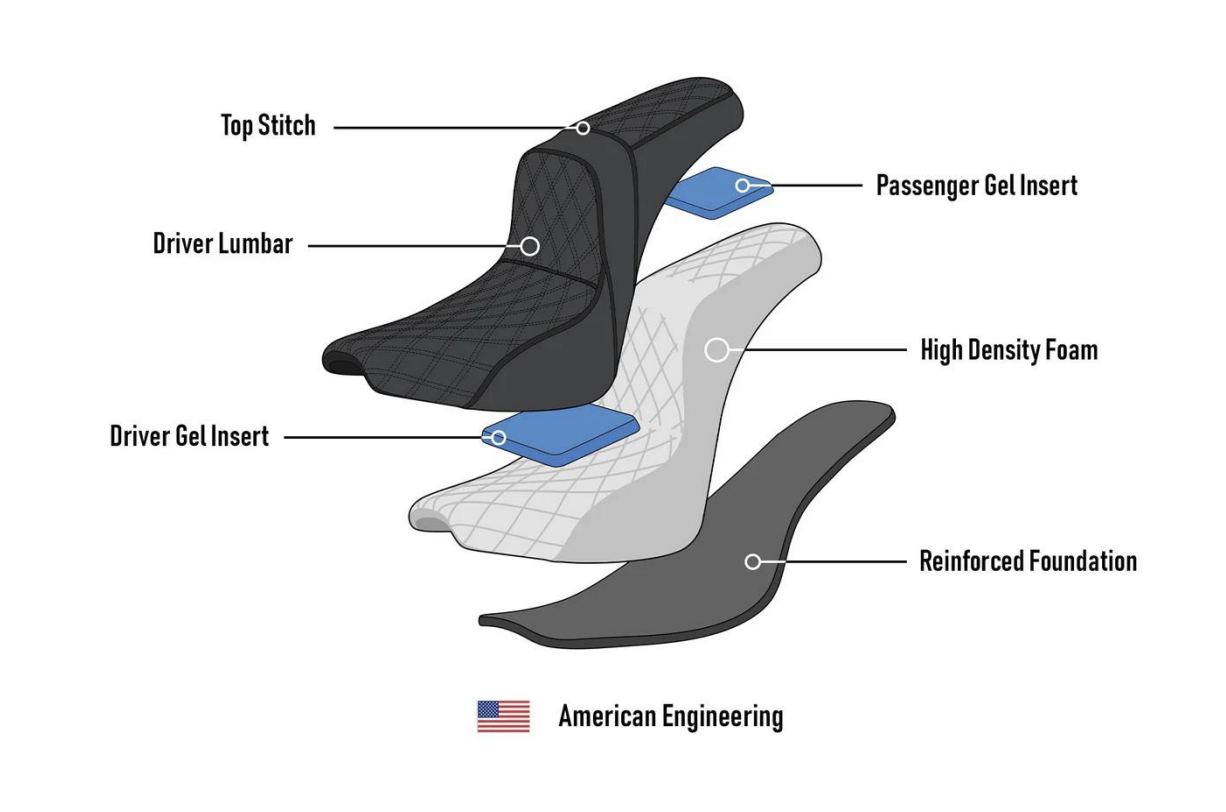
Once the decision to replace a seat is made, it pays to choose wisely. Viking Bags, a top-rated manufacturer of motorcycle seats and aftermarket parts, offers model-specific seats for major brands including Harley-Davidson, Indian, Honda, and Yamaha. Each seat is built with practical upgrades in mind, better foam, durable covers, and design details that improve the ride rather than just change the look. The Iron Born Diamond Stitch 2-Up Seat is a strong option for Harley Softail Street Bob riders looking for a step-up design that holds up across many miles. For Indian motorcycle owners, Viking also carries a full range of seats tailored to Scout, Chief, and Rogue models.
7. Final Word
A motorcycle seat does not last forever. Flat foam, cracked covers, water damage, persistent pain, and mounting issues are all signs that the time has come for a change. Catching these signs early prevents further damage to the bike and, more importantly, keeps the ride comfortable and safe. When it comes time to replace, choosing a seat built from quality materials and designed for a specific model makes all the difference. The right seat turns every mile into a better one.